IBBOB
Rocket League
A free-to-play car-soccer game where simple rules, short matches, and an unusually high skill ceiling still make it one of the cleanest competitive games to start.
Quick Facts
- Platforms
- pc, ps5, xbox, switch
- Price
- free
- Playtime
- long
- Difficulty
- Easy to understand immediately, but demanding once aerials, rotations, boost control, and team reads matter
- Modes
- Online casual and competitive matches, private matches, local play, split-screen, training, tournaments, and extra modes
Best For
- Players who want a free competitive game with short matches and almost no rules overhead
- Groups who want something easy to explain but deep enough to keep installed for years
- Competitive players who prefer mechanical expression over loadouts, builds, or character counters
Skip If
- Players who hate physics mistakes, whiffed shots, and learning through repetition
- Anyone looking for a campaign, story progression, or relaxed single-player sports play
- People who dislike teammate dependence, ranked pressure, or cosmetic-heavy live-service culture
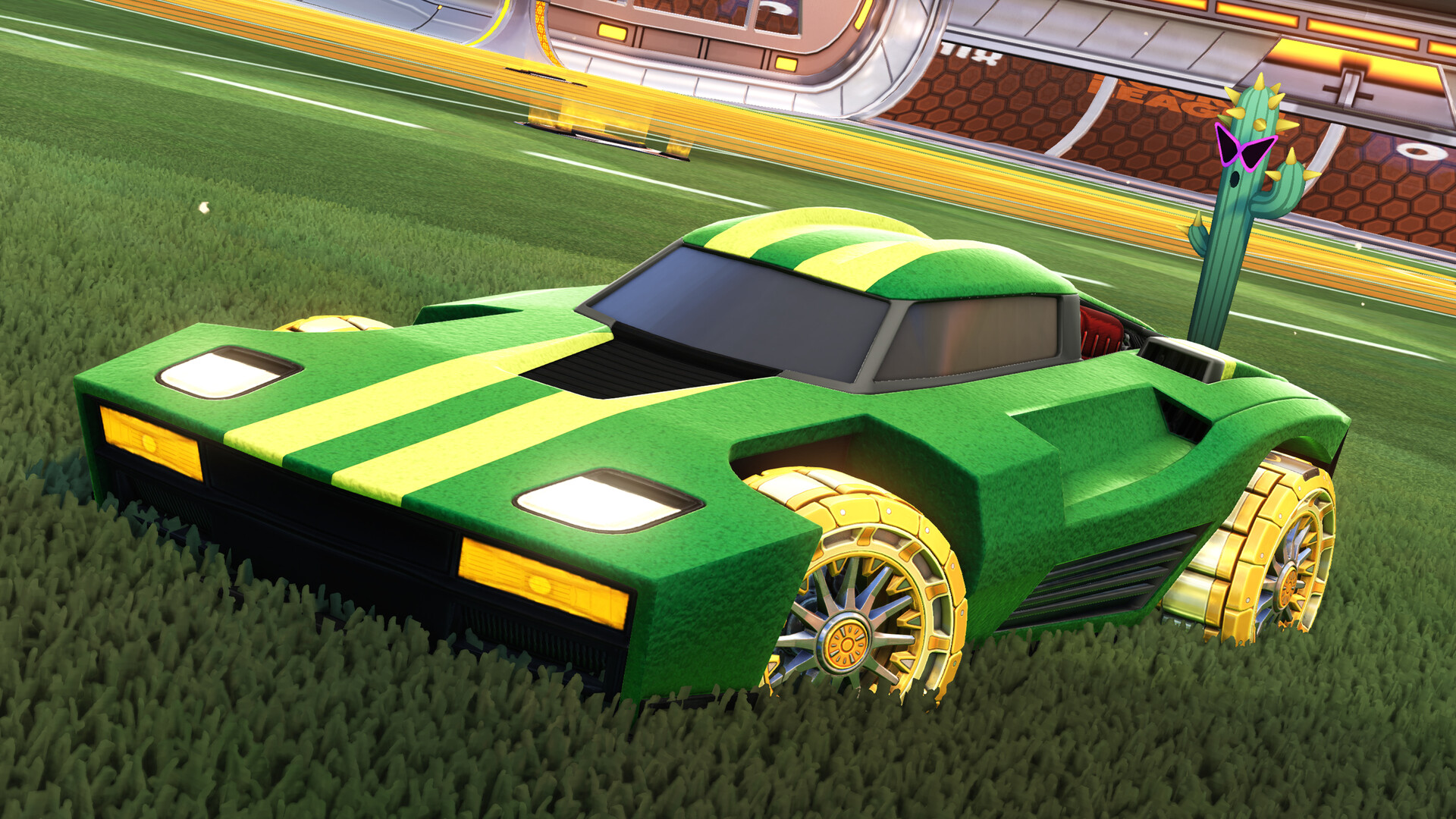
Rocket League is still one of the easiest competitive games to explain in 2026: cars play soccer, boost turns movement into skill expression, and a five-minute match can swing from comedy to serious ranked pressure in seconds.
That simplicity is why it remains worth writing about now. The recent conversation around a future engine upgrade and the continued RLCS calendar are useful reminders that Rocket League is not just old live-service residue. It is still a living competitive game with one of the clearest player promises in multiplayer.
Why It Stands Out
- The rules are instantly readable: hit the ball into the goal, defend your net, manage boost, and recover fast.
- It has a rare skill curve where beginners can laugh through messy matches while stronger players keep finding cleaner aerials, faster rotations, and better team spacing.
- Matches are short enough for weeknight play, but ranked and tournaments give it enough structure for long-term improvement.
- The move to free-to-play makes the buy-in problem much smaller than most competitive games with comparable depth.
- The current tech-upgrade conversation matters because it gives lapsed players a reason to check back without changing the core recommendation.
Gameplay
- Car control first. Rocket League is not a stat build game. Improvement comes from driving, jumping, flipping, boosting, landing, and reading the ball earlier.
- Short but meaningful matches. Five-minute games make it easy to play one more round, but the pace is sharp enough that one mistake can decide a match.
- Team rotation matters. Even casual play feels better when players learn when to challenge, when to rotate back, and when to stop chasing the ball.
- High ceiling without complicated rules. Aerial shots, wall play, recoveries, kickoffs, passing, and boost economy create depth without asking new players to memorize a huge ruleset.
Who Should Play It
Rocket League is best for players who want a free competitive game that starts cleanly and keeps rewarding practice. It is also a strong group game because mixed-skill friends can still play casual matches together, especially if everyone accepts that the first few hours will be chaotic.
Skip it if you need story, direct progression, or low-friction relaxation. Rocket League can be funny, but it is not truly chill once players start caring about rank, rotations, missed saves, and teammate mistakes.
Platforms
- PC
- PlayStation
- Xbox
- Nintendo Switch
Price
Free to play, with cosmetic purchases and Rocket Pass-style progression.
Official Release Date
July 7, 2015.
Official site: https://www.rocketleague.com
Steam reference page: https://store.steampowered.com/app/252950/Rocket_League/